Sunday, February 11, 2018


Venice Florida Jetties pelican landing on water
www.portraitphotographybyjennifercarroll.com

The Dangers of Fishing Line on Seabirds


Question: What happens when you hook a seabird and cut the line?

Answer:    You kill the bird!

If you spend any time fishing especially in salt water, you will catch a seabird. They will go after your bait, get tangled in your line and even take the fish at the end of your line. What to do? Read on.

The dangers of fishing line are numerous. If a bird gets tangled and you cut the line, the bird can get the line wrapped around its wings, legs, neck and beak. This can prevent the bird form flying, swimming and eating. The end result, death by starvation. If it’s a nesting bird the line can get wrapped around the chicks and kill them as well.

Line and lures left in coastal trees, on bridges and fishing piers are lethal as well. A bird can’t see the line when it comes in for a landing and ends up getting tangled and hanging from the end of a line cut by a careless person. A lure left hanging off a mangrove branch may look like an easy lunch for a hungry bird, that is until the treble hooks sink into its bill. Then the bird is trapped against a tree limb until it dies or an ethical fisherman takes the time to free it. Now as someone who has fished for 50+ years I understand that not every piece of line or lure is retrievable. In this case cut the line as close as you can to minimize any risk.

If you’re fishing off a bridge or pier and you come across someone’s old line, pick it up and find the nearest used fishing line container or trash can, if there are none available then roll it up and put it in your tacklebox until you get home. Wildlife safety is every sportsmen’s responsibility

The most common birds that get caught are pelicans, seagulls and ducks. So, what do you do if you find you have one of these birds on the end of your line? The first thing is to NEVER cut the line! Reel in the bird and ask for help. Hold the bird firmly, taking care not to injure his wings or legs and assess the situation. Next cut the line off the fishing rod, if the bird is tangled carefully cut the line away from the bird and dispose of properly. If the bird is hooked don’t remove the hook like you would from a fish, remove it like you would from a child, if the barb is into the birds body, cautiously push the barb the rest of the way through the skin, cut the hook in two using the pliers from your tackle box and back out the rest of the hook. Every tackle box should have at least one pair of pliers.

Inspect the bird for any injuries to its wings, legs or body, if there are no injuries then release the bird. If the bird does have obvious injuries call your local state game warden service, they will know where to take the injured bird.

Most times it will be another angler that catches a bird and has no idea what to do. If you witness this offer help but always tell him not to cut the line. Most of the birds I have helped free from hooks or line have been on other peoples’ rods. Sometimes people panic and cut the line because they are afraid of how the bird could hurt them. Seagulls, pelicans and ducks are not going to hurt you. I have been hit on the head with a pelican wing and bitten on the hand by a seagull, but all flew away free and I had a story to tell. More care must be taken if you are dealing with a blue heron or a bird of prey such as an osprey. Their beaks and talons can cut and puncture your skin. The safest way to handle these birds is to cover their heads with a shirt or towel, carefully free the bird and back away.

If you come across a bird in distress, if possible rescue it. Remember its not just seabirds that can be injured by a careless fisherman but also other animals like otters and raccoons.

As sportsmen, it is our responsibility to protect our woods, water and wildlife. We can do this by teaching the next generation to be good stewards of our environment by not feeding wild animals and birds, packing out what they pack in and sometimes careless peoples’ trash as well, and to care about what’s going on around our favorite fishing spot.


an unhooked pelican Baca Grande Florida


safely released pelican flying free 


Sunday, February 4, 2018


Spanish Moss hanging over the Myakka River
More of Beautiful Florida


Deer Prairie Creek Preserve is a 6,400 acre area with more than 60 miles of trails along the Myakka River in Sarasota County Florida. There is a canoe and kayak launch for some amazing paddling through the winding river.

The primitive trails are for hiking and biking and have trail markers. This part of the Myakka river is fresh water so there is ample fishing for bass, bluegill and many other species that will give you a great battle. You can also enjoy the numerous birds and wildlife living in the area including deer, raccoon and alligators.

So, wherever you live take your kids or grandkids head outside and enjoy our natural world. If you’re in S.W. Florida, Deer Prairie Creek Preserve is a must.  Remember pack out what you pack in.
All photos are courtesy of Portrait Photography by Jennifer Carroll
portraitphotographybyjennifercarroll.com


paddling


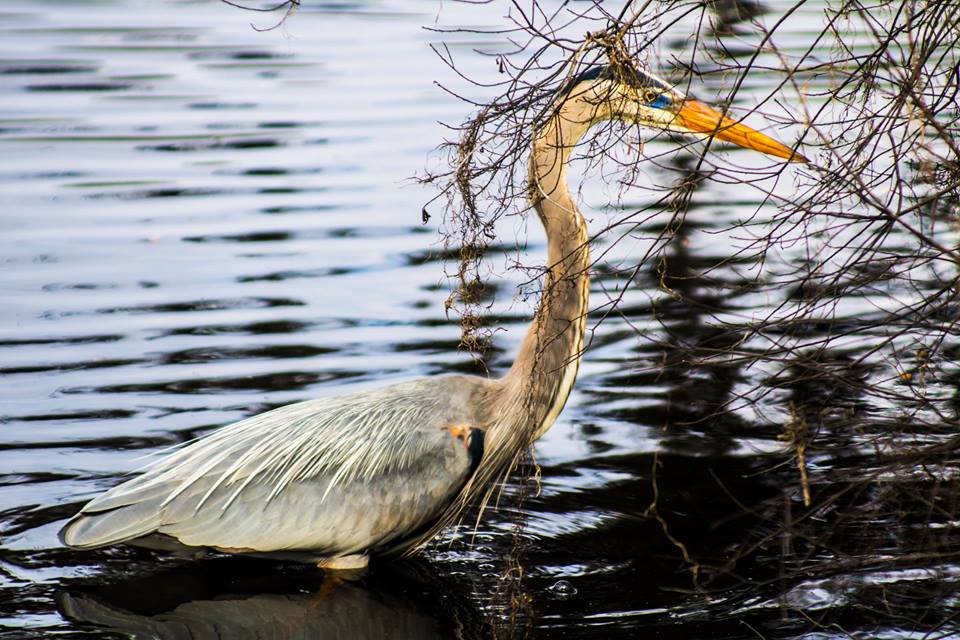
A fishing Great Blue Heron


Tuesday, January 30, 2018


Shelter Dogs


“You never know what you get when you get a dog from a shelter.” Have you ever heard that statement before? I have, but that can be said no matter where you may get your dog.

Most dogs are surrendered by loving owners, who for some reason cannot keep their beloved pet. It might be an illness in the family, they are moving, or simply that they can’t afford to take care of their pet any longer.

The time a dog spends at a shelter depends on a number of factors. Breed, activity level, cuteness, and age. Older dogs tend to be adopted at a slow rate while puppies find forever homes much quicker. Matching people to the right dog is a very important part of the adoption process. A senior dog may be a better fit for a senior citizen than a puppy. The adoption process includes interviews with the whole family, this way the volunteer can find out why this family wants a dog. Who will be the main care giver and if their schedule will permit proper care of the dog. Then family and dog meet. Meeting at the shelter which reduces stress on the dog as it gets introduced into its new family. Then finally the ride home.

Not all shelter dogs are mixed breeds. A twenty year dog breeder and trainer, Phil Snyder says. “At any given time 25% of dogs can be pure breed. Breeders sometimes bring in puppies that don’t sell.”

Mr. Snyder has worked at the Humane Society, www.humanesociety.org for over a decade and says that, “We no longer euthanize a dog because it’s been here too long….we have had some dogs here for 10 months and even longer.” The longer a dog stays at the shelter the harder it is to find a home for him. Snyder says, “There’s nothing wrong with the dog, it just might not have the pizzazz people are looking for.”

Shelter dogs are well cared for. They see a veterinarian on a regular basis and are exercised and have daily contact with people who love them. Many shelters have foster programs. Yes, it’s just what it sounds like, a temporary home for a dog to go after its been in the shelter for a while.

The folks that foster these dogs attend orientation and must be prepared to invest time in training caring for and loving their furry friend. With this investment the foster family is giving their shelter dog a second chance at finding a forever home. The foster program is a win/win situation. The dog leaves the shelter and spend time with a loving family. The shelter has more room for a dog in need and the foster family gets the love of a dog until a forever home is found.

There are as many different breeds at the shelter as there are dog breeds. Chihuahuas to Great Danes and every size in between. The most common breed in my local shelter is the Pit Bull mix. No matter what the breed, all dogs go through a screening process. The staff spends time with the dogs playing, grooming and observing how they interact with people and other dogs. The dogs at my local shelter are up to date on all shots, spayed or neutered and microchipped. You can adopt a dog from eight weeks to seven years for $85.00. Dogs older than seven years are $50.00. County license are extra.

Super Paws Rescue Inc in Fairfield Ct, www.superpawsrescueinc.org takes complete care of their rescued dogs before you adopt. They spay or neuter your prospective dog, perform a heartworm test, make sure all shots are up to date and even take care of its dental needs. While most of the dogs brought in are in good health, the loving staff of Super Paws Rescue have dealt with everything from mange to cancer. Considering the veterinarian fees in Ct. are disproportionate to the surrounding states, their adoption fee of only $400.00 is a great value.

If you know what kind of dog you want i.e. pointer, lab, beagle etc. there are breed specific rescues. The Mid-Atlantic German Shorthaired Pointer Rescue www.mdgsprescue.org serves Md., Va., De. And WV.

 Before you can adopt a dog from these breed specific rescues, they really look into your history including how well you have cared for your dogs in the past. The adoption process includes calling your veterinarian to make sure all of your pets have been kept up to date with all their health issues. A phone interview as well as a home check. In some cases, a fenced back yard is required.

The adoption fees for breed specific rescues average $370.00 for a puppy, $300.00 for an adult from 1-8 years and for a senior dog the fee ranges from a donation of any dollar amount up to $150.00.

Remember rescuing a dog is a big responsibility. Labrador Retriever Rescue of Florida www.lrrof.org said it best, “This is not an object you are bringing home, it’s a member of your family.” Dogs take time, money, and mostly love. Your love will be returned 10 fold.

The best dog I was ever owned by was a rescued English Pointer. Tia was my best friend for 12 years. I am now owned by two beagle mix litter mates that look nothing a like, and one wired haired jack russell/beagle who by the time she came into my life at seven months was in two different shelters and two homes. She just needed the right home. I told you about the love you will receive from your shelter dogs, well Boo, Sully and Mikey are al laying at my feet as I am writing this.

You have a lot of choices when considering where to get a dog, do yourself a favor and look into shelter dogs. You may just find the dog of a lifetime.   

Sunday, January 21, 2018


Wild Englewood Florida Alligator
Wildlife Conservation


The real conservationist who are they? The answer to this question may surprise you. First let’s define wildlife conservation, one of the best definitions I’ve found is this from Wikipedia; Wild life conservation is the “practice of protecting wild plants and animal species and their habitat.”

So who really cares about the outdoors? Is it the big conservation groups such as, People for the Ethical Treatment of Animals, Peta and The Humane Society of The United States, HSUS? Perhaps it's organizations like B.A.S.S., Respect the Fish and Quail Forever Or is it someone else?

The Humane Society of America of the United States, www.humanesociety.org states that it’s “The nation’s largest and most effective animal protection organization.” But are they really that effective? We all see the heart wrenching T.V. commercials about the work they do for rescued dogs and cats. However Humane Watch, www.humanewatch.org, informs us that “HSUS gives less than 1% of money received to local shelters.” HSUS also states that it wants to stop “…inhumane and unsporting hunting practices…”

Many organizations such as The American Forest Association, www.americanfrorest.org believe that “…under proper regulations, hunting should be considered a tool of management…”

One of Quail Forever’s www.quailforever.org main focus is conservation and the group “is dedicated to the conservation of quail, pheasant and other wildlife through habitat improvement, public awareness, education and land management polices and programs.”

One of the biggest and well-known organizations is the People for the Ethical Treatment of Animals or PETA. www.peta.org They are famous for their anti-hunting and fishing stance. Does PETA really want to protect our wildlife and wilderness areas? On their website they state that “…nature will take care of itself…” and hunting and fishing are obsolete. PETA continues, “The delicate balance of ecosystems ensures survival…natural predators will help maintain this balance by killing only the sickest and weakest individuals.” They continue, “Even when unusual natural occurrences cause overpopulation, natural processes work to stabilize the group. Starvation and disease…” ensures “…that the healthy and strong animals survive.”

 What happens if the apex predator in an ecosystem becomes overpopulated and the population is healthy? Two such cases are the black bear population in New Jersey and the Alligator population in Florida. The nuisance bears in New Jersey, are in peoples’ back yards, in their trash and can be a threat to children and adults alike. And the gators in Florida, some of them are so big they are famous. Like my home town alligator at Myakka Pines Golf Club in Englewood, Fl. Goliath, he was a media sensation last year. Over the last few years, there have been several attacks and even some people killed by these massive gators. In both cases, the states have started limited hunting seasons to help control these over populated apex predators.

An April 23, 2013 blog by Nathan J. Winograd on www.huffingtonpost.com, Mr. Winograd wrote that almost 2000 dogs and cats enter PETA’s facilities every year and “…96% in 2011…” were killed. At the time Mr. Winograd wrote this blog, PETA killed “…29,426 dogs, cats, rabbits and other domestic animals.” How many more have been killed, in the last 5 years by this animal rights group?

Then there are groups such as Respect the Fish www.respectthefish.com and B.A.S.S. www.bassmaster.com, Respect the Fish mission is to promote “….education, prevention and sustainability…helping fisherman become responsible and prevention minded anglers.”

It’s been over 45 years since B.A.S.S began their work on clean water and conservation. B.A.S.S. works with “…government agencies to develop sound management policies that protect and enhance…” our natural resources.

Some of these animal rights groups associate poaching and hunting as the same thing. This couldn’t be further from the truth. Ethical sportsman love the land and water that they hunt and fish. Poachers are out for only one thing money, with no regard for laws, the wildlife or the environment. These people are the lowest of the low and should be prosecuted to the fullest extent of the law.

Establishing The United States Forest Service in 1905, and creating 150 national parks, 51 federal bird reserves, 4 national game preserves, 5 national parks, 18 national monuments and protected 230 million acres, I’d say that President Theodore Roosevelt was the first wildlife conservationist. In the late 1800’s the President mourned the loss of big game in the American west, and understood how important these animals and their habitat were and
took action, like only an avid sportsman would. Teddy Roosevelt; 26th President, Rough rider, author, hunter and conservationist.

Ultimately the true conservationist is you. When you buy a fishing or hunting license you pay for conservation. www.fws.gov reminds us that the sale of these “…license, tags and stamps are the primary source of funding for most state wildlife conservation efforts.” The future of our wildlife and its habitats as well as America’s great heritage of hunting and fishing is in your hands. The youth need to learn what it’s like to have a tight line or see a dog lock up on point, to spend hours away from their phones and games and find out what it means to be alive. It is our responsibility to teach our children and grandchildren responsible fishing and hunting practices, so that they can become the next true wildlife conservationist.  

4-5 foot wild American Alligator


Sunday, January 14, 2018

Hello

My name is Dan Carroll, welcome to my Blog. I am a Copywriter for the outdoor industry specializing in fishing, hunting, paddling, and sporting dogs.
www.thesportsmanscopywriter.com
thesportsmanscopywriter@yahoo.com

This Blog is dedicated to the outdoors. I will present opinions, stories, pictures, videos and may even discuss cryptozoology. Please feel free to leave comments and tell your friends. If there is a subject you would like to read about, please let me know.

Thanks,
Dan